In respect to this, are protists decomposers?
Many of the protist organisms are decomposers, that is, they feed on dead organisms and obtain their nutritional requirements from them. Some examples of decomposer protists are oomycetes, chytrids, labyrinthulomycetes, molds, etc. Oomycetes are fungus-like protists and typically grow on dead animals.
Subsequently, question is, are Archaea producers consumers or decomposers? Kingdom: Archaebacteria -They are producers, consumers and decomposers. - They are a group of stationary AND mobile organisms, which means that while some can move, others can't. - The bacteria in the kingdom Archaebacteria are unicellular. - They are consumers, which means they cannot make their own food.
Herein, are fungi producers consumers or decomposers?
A producer is a living thing that makes its own food from sunlight, air, and soil. Green plants are producers who make food in their leaves. A decomposer is a living thing that gets energy by breaking down dead plants and animals. Fungi and bacteria are the most common decomposers.
What is the difference between producers consumers and decomposers?
Producers can make their own food by capturing the sun's energy, but consumers and decomposers can't. Consumers need to eat other organisms to obtain energy. Decomposers are like the recyclers of nature. They obtain energy for their own needs while returning simple molecules to the environment.
Is green algae a decomposer?
Energy in a food web flows from producers to consumers to decomposers. Plants and other producers such as algae use these nutrients, which include carbon, nitrogen and minerals. Organisms that act as decomposers include fungi, bacteria and other microbes. Scavengers eat dead animals and are also considered consumers.Is slime mold a Decomposer or producer?
These include chytrids, slime molds, water molds, and Labyrinthulomycetes. Many of these organisms were also treated as fungi due to a similar environmental role: that of a decomposer.Is seaweed a protist?
Protists can be unicellular (single-celled) or multicellular (many-celled). Seaweed and kelp are examples of multicellular, plant-like protists.Is mold a decomposer?
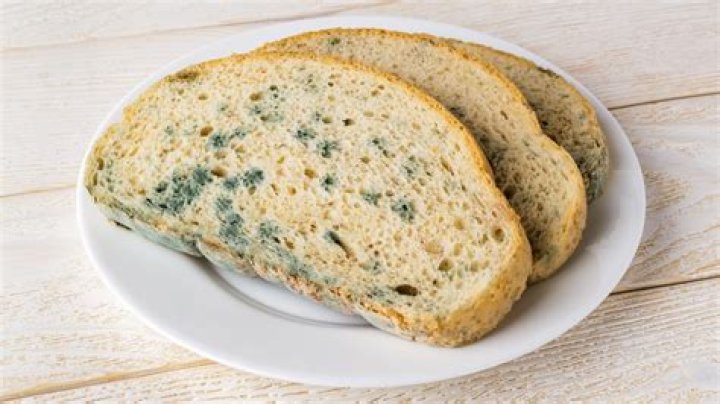
?Mold, one type of fungus, is different from plants, animals and bacteria. Molds are eukaryotic micro-organisms that are decomposers of dead organic material such as leaves, wood and plants. The spores and hair-like bodies of individual mold colonies are too small for us to see without a microscope.Do protists have a nucleus?
Protist Kingdom. Although some have multiple cells, most protists are one-celled or unicellular organisms. These cells have a nucleus and are enclosed by a cell membrane. Animal-like protists are those which cannot make their own food.How do protists benefit humans?
Plant-like protists produce almost one-half of the oxygen on the planet through photosynthesis. Other protists decompose and recycle nutrients that humans need to live. For example, medicines made from protists are used in treatment of high blood pressure, digestion problems, ulcers, and arthritis.Are all protists eukaryotic?
Protists are eukaryotes, which means their cells have a nucleus and other membrane-bound organelles. Most, but not all, protists are single-celled. You can think about protists as all eukaryotic organisms that are neither animals, nor plants, nor fungi.How do protists eat?
There are many plant-like protists, such as algae, that get their energy from sunlight through photosynthesis. Some of the fungus-like protists, such as the slime molds (Figure below), decompose decaying matter. The animal-like protists must "eat" or ingest food. Some animal-like protists use their "tails" to eat.What are producers and consumers?
In summary, producers are organisms that make their own food. Producers create food for themselves and also provide energy for the rest of the ecosystem. Any green plant, like a tree or grass, as well as algae and chemosynthetic bacteria, can be producers. Consumers are organisms that need to eat to obtain energy.What are 3 examples of producers?
Examples of producers include plants of all types (with a few exceptions as parasitic plants), cyanobacteria and phytoplankton. Consumers are organisms that feed on producers as they aren't capable of producing their own carbohydrates. They are divided into three: primary, secondary and tertiary consumers.What are 10 examples of producers?
Plants are the first level in the food chain or food webs and are known as primary producers. They make all the food and energy that is found in an ecosystem.| Canopy | Mature Trees |
|---|---|
| Understory | Tree Saplings |
| Shrub Layer | Mature shrubs and bushes |
| Herb/Fern Layer | Tree Seedlings, Herbs, Ferns, Grass, Weeds |
| Litter Layer | Moss |