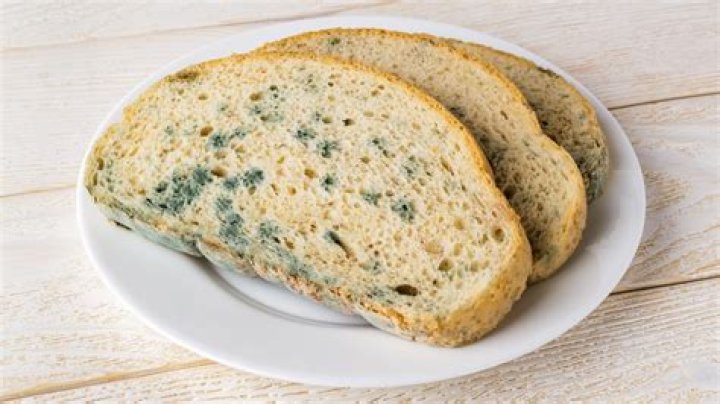
Protists as Decomposers. These fungus-like protist saprobes are specialized to absorb nutrients from nonliving organic matter, such as dead organisms or their wastes. For instance, many types of oomycetes grow on dead animals or algae.Besides, what is the role of protists in the ecosystem?
The protists include plant-like organisms such as algae, animal-like organisms such as amoebas, and fungus-like organisms such as slime molds. They are also very important to us. The slime molds are important to ecosystems because they are decomposers, which release vital nutrients back into the environment.
Likewise, how are protists harmful to the environment? Most harmful protists are classified as animal-like protists that act as parasites, or organisms that benefit from causing harm to other organisms. Malaria is caused by plasmodium, a protist that uses mosquitoes as an intermittent host before infecting humans.
Keeping this in view, are protists decomposers?
Many of the protist organisms are decomposers, that is, they feed on dead organisms and obtain their nutritional requirements from them. Some examples of decomposer protists are oomycetes, chytrids, labyrinthulomycetes, molds, etc. Oomycetes are fungus-like protists and typically grow on dead animals.
How do decomposers interact with their ecosystem?
Decomposers (Figure below) get nutrients and energy by breaking down dead organisms and animal wastes. Through this process, decomposersrelease nutrients, such as carbon and nitrogen, back into the environment. These nutrients are recycled back into the ecosystem so that the producers can use them.
Why is protist important?
Plant-like protists produce almost one-half of the oxygen on the planet through photosynthesis. Other protists decompose and recycle nutrients that humans need to live. Humans use protists for many other reasons: Many protists are also commonly used in medical research.What are the benefits of protists?
Additionally, protists produce oxygen which is helpful for the planet. Many protists have a high nutritional value which can help improve illnesses. Protists like protozoa are used in foods like sushi and are good for our water, as protozoa are used to prey on bacteria and help to clean water for us to use.How do protists benefit humans?
Plant-like protists produce almost one-half of the oxygen on the planet through photosynthesis. Other protists decompose and recycle nutrients that humans need to live. For example, medicines made from protists are used in treatment of high blood pressure, digestion problems, ulcers, and arthritis.How are protists harmful to humans?
Most protist diseases in humans are caused by protozoa. Protozoa make humans sick when they become human parasites. Trypanosoma protozoa cause Chagas disease and sleeping sickness. Giardia protozoa cause giardiasis, and Plasmodium protozoa cause malaria.How do you classify protists?
The protists can be classified into one of three main categories, animal-like, plant-like, and fungus-like. Grouping into one of the three categories is based on an organism's mode of reproduction, method of nutrition, and motility.Are all protists eukaryotic?
Protists are eukaryotes, which means their cells have a nucleus and other membrane-bound organelles. Most, but not all, protists are single-celled. You can think about protists as all eukaryotic organisms that are neither animals, nor plants, nor fungi.What do protists eat?
Protists Nutrition That means that protists can obtain food like plants, fungi, or animals do. There are many plant-like protists, such as algae, that get their energy from sunlight through photosynthesis. Some of the fungus-like protists, such as the slime molds (Figure below), decompose decaying matter.Where do protists live?
Protists make their homes in aquatic environments such as oceans, ponds, lakes and streams. Some attach themselves to rocks and reside on the bottom, while others float on the surface of the water, taking advantage of photosynthesis. Protists also live in aquariums and birdbaths.What are 3 examples of protists?
Examples of protists include algae, amoebas, euglena, plasmodium, and slime molds. Protists that are capable of photosynthesis include various types of algae, diatoms, dinoflagellates, and euglena. These organisms are often unicellular but can form colonies.Is green algae a decomposer?
Energy in a food web flows from producers to consumers to decomposers. Plants and other producers such as algae use these nutrients, which include carbon, nitrogen and minerals. Organisms that act as decomposers include fungi, bacteria and other microbes. Scavengers eat dead animals and are also considered consumers.Is seaweed a protist?
Protists can be unicellular (single-celled) or multicellular (many-celled). Seaweed and kelp are examples of multicellular, plant-like protists.Do protists have a nucleus?
Protist Kingdom. Although some have multiple cells, most protists are one-celled or unicellular organisms. These cells have a nucleus and are enclosed by a cell membrane. Animal-like protists are those which cannot make their own food.Is a potato a decomposer?
Most are decomposers. Some are parasites and can cause diseases in plants, including corn, alfalfa, and potatoes. This body, called a plasmodium, can move around consuming bacteria, fungi, and decaying plant matter.Is mold a decomposer?
?Mold, one type of fungus, is different from plants, animals and bacteria. Molds are eukaryotic micro-organisms that are decomposers of dead organic material such as leaves, wood and plants. The spores and hair-like bodies of individual mold colonies are too small for us to see without a microscope.Is Plantae prokaryotic or eukaryotic?
Answer and Explanation: Kingdom Plantae consists of organisms that are eukaryotic. This kingdom branches from domain Eukarya, which includes every organism that is eukaryotic. Prokaryotic and eukaryotic cells are the two major cell types, and they are quite different.Are Plantae decomposers?
Kingdom: Plantae - They are decomposers. -Their cell walls are made of chitin, which specifies that they are NOT plants. - They are stationary, which means they cannot move.Why is the term protist still used?
It means that it is descended from a common evolutionary ancestor or ancestral group, but not including all the descendant groups. Why is the term protist still used? Since they exhibit different characteristics than those of fungi, plants, animals, and they are eukaryotic.