Then, how do you get rid of an ileus after surgery?
Treatment without surgery is possible during the early stages of paralytic ileus. But you may still require a hospital stay to get the proper fluids until the issue is fully resolved. A doctor may also use a nasogastric tube with suctioning, in addition to giving intravenous fluid hydration.
Subsequently, question is, can anesthesia cause ileus? Frequently, ileus occurs after major abdominal operations, but it may also occur after retroperitoneal and extra-abdominal surgery, as well as general anesthesia alone. The longest duration of ileus is noted to occur after colon and rectal surgery. The clinical consequences of postoperative ileus can be profound.
Keeping this in consideration, how long does post operative ileus last?
Following abdominal surgery, "normal" physiologic postoperative ileus due to postoperative gut dysmotility is widely reported as lasting 0 to 24 hours in the small intestine, 24 to 48 hours in the stomach, and 48 to 72 hours in the colon [2,6-9].
Does an ileus go away?
In most cases, ileus goes away by itself when the main cause clears up. The goal is to manage symptoms until movement in the digestive tract returns to normal.
How do you treat ileus?
Medication changes A paralytic ileus that is caused by medication can often be treated by taking another medicine, such as metoclopramide (Reglan), to stimulate the movement of the intestines. Another option is to discontinue use of the medication that is causing the ileus.Does walking help ileus?
If recent surgery caused your ileus, you might not need any other treatment. Getting up out of bed and walking around several times per day can help to get your bowel function back to normal after surgery. If a medication has caused your ileus, your doctor will likely stop that medicine.Can you poop with an ileus?
The large intestine, or colon, absorbs water and uses strong, wave-like movements to push broken-down food and waste to your anus so you can poop. When your intestine stops making those wave-like movements for a while, it's called ileus. It usually lasts from 1 to 3 days.How do you know when ileus is resolved?
Other signs of resolution include passage of flatus, tolerance of oral intake, and bowel movement. Any of these signs may indicate that the patient has coordinated motility from the gastroesophageal junction to the anus. Proof of this is ability to tolerate oral intake without nausea or distension.Is an ileus painful?
Symptoms and signs of ileus include abdominal distention, nausea, vomiting, and vague discomfort. Pain rarely has the classic colicky pattern present in mechanical bowel obstruction. Auscultation reveals a silent abdomen or minimal peristalsis. The abdomen is not tender unless the underlying cause is inflammatory.What is Adynamic ileus?
Adynamic ileus is the failure of passage of enteric contents through the small bowel and colon that are not mechanically obstructed. Essentially it represents the paralysis of intestinal motility.What is post operative ileus?
Postoperative ileus (POI) may be defined as the impairment of gastrointestinal (GI) motility after intra-abdominal or nonabdominal surgery.How do you get a paralytic ileus?
Causes of paralytic ileus include electrolyte imbalances, gastroenteritis (inflammation or infection of the stomach or intestines), appendicitis, pancreatitis (inflammation of the pancreas), surgical complications, and obstruction of the mesenteric artery, which supplies blood to the abdomen.Is post op ileus a complication?
Ileus does not always involve intestinal obstruction and may or may not be a true postoperative complication. Many times ileus is a normal result and expected outcome of a surgery and it is not considered a true complication.What does an ileus sound like?
The intestines are hollow, so bowel sounds echo through the abdomen much like the sounds heard from water pipes. Most bowel sounds are normal. However, there are some cases in which abnormal sounds can indicate a problem. Ileus is a condition in which there is a lack of intestinal activity.How can post op ileus be prevented?
Other trials have shown that feeding a patient early in the postoperative period can actually prevent ileus. Physiologic studies have shown that neither electrical activity of the bowel nor motor activities in the stomach are affected by surgery.How do I wake up my bowels after surgery?
Bowel Function- Drink warm liquids.
- Walk outside your room three to four times daily.
- After meals: walk, and then sit up in a chair for 30 to 60 minutes.
- Sit upright in a chair three to four times daily.
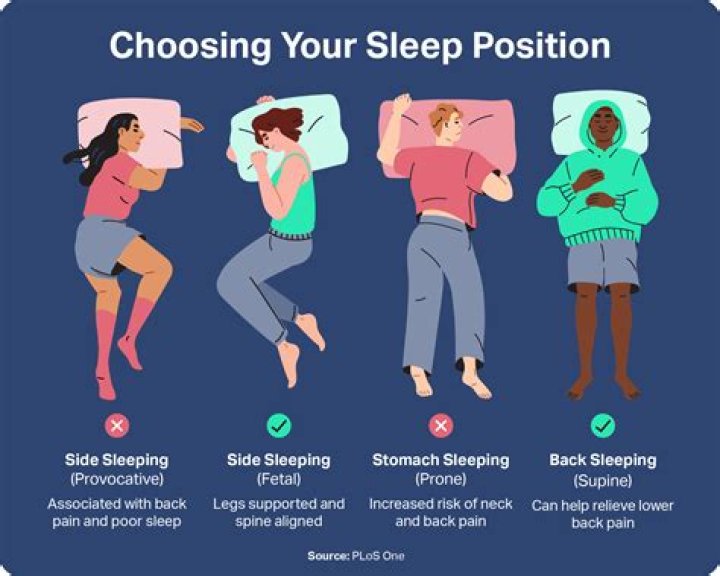
- Lie on your left side rather than on your back to help move gas through your bowels.
- Eat slowly.
- Eat small amounts.
- Chew your food well.
What happens when your bowels stop working after surgery?
An ileus occurs when the intestines do not move food through in the normal way. It often occurs after abdominal surgery. This is a severe condition because, if left untreated, an ileus can cut off blood supply to the intestines and cause tissue death.Which way do you rub your stomach to promote bowel movement?
Lie on your back and use both hands to put gentle pressure on your abdomen. Start at the right lower side of your abdomen. Slowly make circles in a clockwise direction using gentle pressure. Then, use the palm of your right hand to apply gentle pressure to the inside of your hip bone.What causes a ileus?
Paralytic ileus, also called pseudo-obstruction, is one of the major causes of intestinal obstruction in infants and children. Causes of paralytic ileus may include: Bacteria or viruses that cause intestinal infections (gastroenteritis) Chemical, electrolyte, or mineral imbalances (such as decreased potassium level)Where is the ileum located?
The ileum is the third and final part of the small intestine. It follows the jejunum and ends at the ileocecal junction, where the terminal ileum communicates with the cecum of the large intestine through the ileocecal valve.What can you eat when you have an ileus?
Guidelines for a G.I. Soft Diet| Food Group | Foods Allowed | |
|---|---|---|
| Food Group | Foods Allowed | |
| Herbs and spices | Foods Allowed | Whole spices like peppercorns, whole cloves, anise seeds, celery seeds, rosemary, caraway seeds, and fresh herbs |
| Snacks/other foods | Foods Allowed | Carbonated beverages, jams, or jellies with seeds, popcorn |