If you use hard water from the tap, water deeply with distilled water every two to three weeks to flush minerals from the soil. Avoid air-conditioned rooms, which tend to be much too dry for pitcher plants.Likewise, how much water do pitcher plants need?
Pitcher plants can grow in soggy soil with the water level in the saucer as deep as 1/2 the pot, but most carnivorous plants prefer damp to wet soil, so keep the water at about 1/4 inch and refill as soon as it is nearly gone. Water from below, by adding water to the tray, rather than watering the plant.
Also, how do you take care of a pitcher plant indoors? Water – When growing pitcher plant indoors, water as needed to keep the potting soil moist, but not soggy. Allow the pot to drain thoroughly after watering and never let the pot stand in water, as wet soil can cause the plant to rot.
Also question is, should I put water in my pitcher plant?
But if you want to do it, knock yourself out. I recommend that you only use purified water. Since these plants do much of their digestion via bacteria, you should probably keep the pitchers filled with a bit of water at all times so the bacterial populations are healthy.
How often should you water Nepenthes?
Nepenthes like to remain moist but not flooded. This is best accomplished by top watering them 2-3 times per week.
Should I trim my pitcher plant?
First, if your pitcher plant blooms, you should prune off the blossoms of a pitcher plant when they wilt, just as you deadhead other plants. If your pitcher plant has yellow or brown foliage, that part of the plant is dead. Trimming a pitcher plant to remove dead foliage is not difficult.When should you repot a pitcher plant?
Pitcher plants, like other plants, do best when you repot them early in the spring before they have a chance to produce new growth. When your plant is still dormant, right before the spring arrives, remove it from its pot and gently remove as much planting medium as you can using a chopstick or other small object.Why is my pitcher plant dying?
As fall approaches, a normal plant will begin to go dormant and stop replacing the shed pitchers. Although pitcher plants are bog natives, they don't tolerate standing water like their carnivorous contemporaries, immediately reduce watering to dry out the soil around the plant's crown.How long do pitcher plants live?
there is no way of telling , there are plants in the wild that will and can live several decades if left alone in there habitat even longer , , home growers have had a plant for 20 years , I have had some for 15 or 16 years , so its not really how long they life rather how well can you care for them.Do you fertilize a pitcher plant?
A high nitrogen pitcher plant fertilizer is perfect to fulfill the plant's needs. A mild fish fertilizer diluted by one-quarter every two to four weeks can be added to the pitcher. Young plants and seedlings benefit more from fertilizer and may be soil fed.Why are my pitcher plants leaves turning brown?
It looks like your plant isn't getting enough humidity. The pitchers naturally dry up over time and turn brown, but if that's happening AND there aren't new pitchers forming, it needs to be more humid or you should mist it more often.Why is my pitcher plant not growing pitchers?
Failure to produce pitchers is an indication that the plant isn't receiving adequate light. Water and potting mix – Pitcher plants don't appreciate the minerals and additives in tap water. If possible, give them only filtered or distilled water. Better yet, collect rainwater and use it to water your pitcher plant.Do pitcher plants need sunlight?
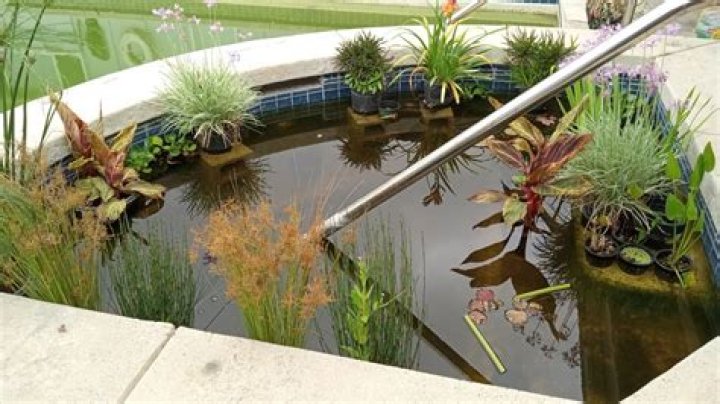
Pitcher plants must be kept wet and can even grow in water gardens. The plants need boggy, moist soil and will perform well at the margins of a pond or bog garden. Pitcher plants thrive in full sun to light shade.Do pitcher plants close their lids?
Yes, the humidity or temps will cause this. The plant will close its lid when humidity is too low, the temperature is too high, or when it is acclimating to new conditions so that it's digestive fluids don't evaporate.How long does it take a pitcher plant to digest?
The insects will slowly digest in the pitcher for the life of the pitcher (a week to two months). In short, an insect will never be completely digested by a pitcher (e.g. it will never "disappear" because it was fully digested).What is the liquid in a pitcher plant?
The small bodies of liquid contained within the pitcher traps are called phytotelmata. They drown the insect, whose body is gradually dissolved. This may occur by bacterial action (the bacteria being washed into the pitcher by rainfall), or by enzymes secreted by the plant itself.Do pitcher plants eat mosquitoes?
The pitcher plant, also known as trumpet leaf, doesn't repel mosquitoes; it attracts and eats them and uses them as nutrients to grow. Venus flytraps, which eat many types of insects, including mosquitoes. They only eat a few insects week, and they are tropical plants.Can you propagate pitcher plant?
A faster way to propagate is by rooting pitcher plant cuttings. Cut pieces of stem that have two or three leaves on them, and clip off half of each leaf. The pitcher plant cuttings should root within two months, and can be transplanted after they begin to grow new leaves.Do pitcher plants eat fruit flies?
Wingless and/or Flightless Fruit Flies are an ideal food, especially for small-trap carnivorous plants including sundews, butterworts, venus flytraps, cephalotus and pitcher plants. The fruit flies are easily sprinkled into the traps for quick, natural feeding.Do pitcher plants smell?
Some people have noted that Sarracenia pitchers often exude a smell, usually because of the rotting insects trapped in the pitchers.Do pitcher plants bloom?
Pitcher Plant Flowers. Unlike the pitchers, which are deadly to visiting insects, pitcher plant flowers are perfectly harmless. In fact, the flowers function like regular flowers by providing insects (mostly bees) with nectar and pollen.How do you take care of a pitcher plant in the winter?
Caring for Pitcher Plants in the Winter In extreme cold, apply a thick layer of mulch around the base of the plants to protect the roots. If you have varieties growing in water, break the ice and keep the water trays full. Caring for pitcher plants in winter in colder zones will require you to bring them indoors.