Cellulose insulation is typically around 20% fire retardant chemicals by weight. From an article in Environmental Building News (EBN): The most common chemicals used today (in cellulose insulation) are boric acid, sodium borate (borax), and ammonium sulfate.Keeping this in consideration, can cellulose insulation catch fire?
Before being used for insulation, cellulose is treated with fire-retardant chemicals (fiberglass, the most common type of insulation, is naturally fire-retardant). Around the country, firefighters are finding that cellulose insulation can both start and spread fires.
Also Know, is cellulose insulation dangerous to breathe? There are no dangers of very fine fibres entering your breathing system or causing any long-term damage if inhaled. This is the case with alternative products such as fibreglass insulation but not with cellulose.
Regarding this, what is cellulose insulation made out of?
Cellulose is composed of 75-85% recycled paper fiber, usually post-consumer waste newsprint. The other 15% is a fire retardant such as boric acid or ammonium sulphate. Cellulose has the highest recycled content of any insulation available.
What is stabilized cellulose insulation?
Stabilizing cellulose insulation in an attic is the process of applying the insulation at a density which limits settling to less than 5%. It is essential to understand the difference between stabilized cellulose products and dry-blown loose-fill products.
What happens when you burn cellulose?
The major component of the material that we call paper is cellulose (polysaccharide). There are no molecules of paper, since it is a mixture of many different things. When we burn it in the presence of ample amounts of oxygen, complete oxidation of the polysaccharide occurs, resulting in 1:1 proportion of CO2 and H2O.How long does cellulose insulation last?
20 to 30 years
Is cellulose insulation dangerous?
Cellulose insulation is safe. It is made of paper, but the chemical treatment provides it with permanent fire resistance. There's been static generated by the fiberglass industry warning that cellulose could burn. But independent testing confirms it's safe and cellulose is approved by all building codes.At what temperature does cellulose burn?
350 °C
Can insulation catch fire?
Fiberglass is non-combustible. It simply won't burn. However, fiberglass batts that are covered with kraft paper or a foil facing are combustible. The fiberglass won't burn, but the paper and foil facings will readily burn.What's the best blown in insulation?
The best insulation options for an attic are open cell spray foam, fiberglass, and cellulose. - Cellulose is the oldest insulation material used for not only the attic, but other areas of the home as well.
- Fiberglass is another traditional insulation material that consists of extremely fine glass fibers.
Is cellulose or fiberglass blown insulation better?
Cellulose Vs Fiberglass which blown in insulation material is best: 2.1 – 2.7 R per inch while Cellulose has an R-value of 3.5- 3.7 per inch. Cellulose is found to be more efficient at retaining its R-value across variety of temperatures than fiberglass.What type of insulation is fireproof?
Fiberglass: Made of glass that is spun into fibers, then combined with plastic polymers, fiberglass insulation is naturally fire resistant. However, although the fiberglass itself will not burn, you will need to be careful with batts that are backed with paper or foil, as these materials can burn quickly.Does cellulose need a vapor barrier?
With Modern's Cellulose insulation, a vapor barrier is not recommended except in very cold weather or high moisture areas such as spas or pool buildings. However, many building codes do require an Air barrier or Vapor retarder to be installed. Cellulose insulation has a high density compared to fiberglass.Should I remove cellulose insulation?
Over time, however, cellulose insulation can settle, limiting its thermal efficiency. In such cases, the cellulose must be removed. Loose cellulose is extremely messy and dirty. To prevent the particles from contaminating the house, seal off the room in which you work and place the vacuum outside, if possible.Does cellulose insulation attract termites?
Yes, termites and especially the Formosan termites are drawn to cellulose. There is one company that I know of that manufactures the best insulation available hands down. It is cellulose, however, it is treated with a non-toxic chemical.Is there asbestos in cellulose insulation?
If this sounds like what you have, it is likely cellulose insulation, which contains a higher amount of recycled paper, without minerals. This means cellulose insulation does not contain asbestos and is a safe insulation, blown into the cavities.Does cellulose insulation mold?
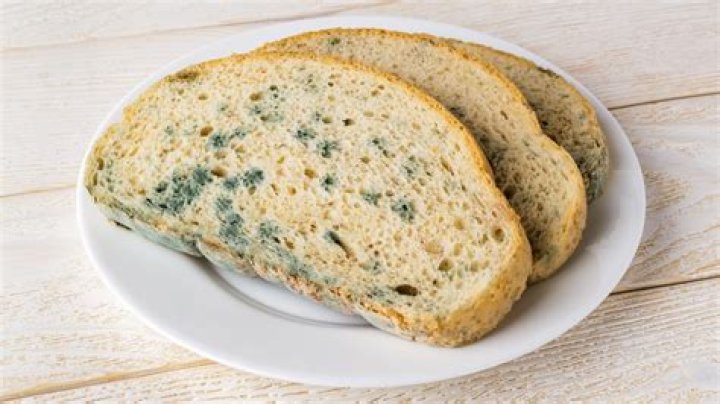
Excessive moisture causes the cellulose to sag and settle, an effect that is especially detrimental in wall cavities. Settled insulation could leave the entire upper half of your walls uninsulated! Mold growth sets in: Thanks to its chemical treatment, mold doesn't grow on cellulose insulation.What is the R value of cellulose?
The R-value of loose fill cellulose is R-3.2 to 3.8 per inch2. Loose fill fiberglass has an R-value of R-2.2 to 2.7 per inch3. Achieving the desired R-value depends on both the depth of the insulation and its density.Does cellulose insulation lose R value?
Cellulose insulation is the most prone to settling and will undergo a 20 percent loss of R-value due to settling. R-value measures the relative effectiveness of insulation per inch.Is cellulose insulation waterproof?
Cellulose Insulation & Water Damage. Blow-in cellulose insulation is manufactured from recycled newspaper and treated with borate to render it fireproof and insect-proof. It's not waterproof, but that's usually not a problem unless the roof leaks, a pipe bursts behind a wall or a levee is breached during flood season.Is cellulose insulation good for soundproofing?
Cellulose insulation can be very effective, but it needs to be installed perfectly, or the soundproofing will not work. Lack of insulation at the wall cavity will still allow sound to pass through.